
Teak Wood
-
-
Characteristics of Teak Wood
- Color: Honey Brown or Tawny Gold
- Source: Teak Tree (Tectona grandis)
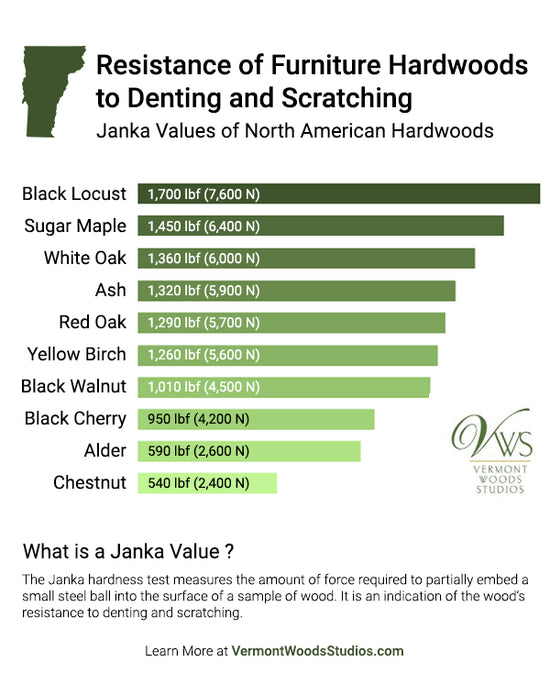
- Durability: 1,155 on theJanka scale
- Cost: $7 to $41 per board foot
- Common Uses: Outdoor Furniture, Decks, Boats, Carving, Veneers
What Color is Teak Wood?
Why Does Teak Wood Change Colors Over Time?
Teak is loaded with oils and waxes, also known as extractives. These compounds give teak its natural water resistance, dry rot resistance, and built-in pest control, plus make the boards feel a bit waxy. When the boards are cut, those extractives begin interacting with the environment; chemical reactions occur as they meet with the air and sunlight. This is why newer boards can sometimes give inexperienced teak buyers quite a fright—they’re expecting the golden hue and wind up with a blotchy dark spots and a rainbow of mineral streaks. It’s still beautiful, but it’s not the look teak is known for.
The longer teak is exposed to sunlight, the more those colors mellow out and blend together, ultimately resulting in the tawny gold hue people recognize. The length of time this takes will vary wholly based upon exposure to the elements, primarily UV rays. This in mind, a teak deck will develop the honey color rather quickly, perhaps in days or weeks, whereas a board tucked in a closet could retain some of its dark blotchiness for months or years.
Eventually, teak will turn gray for the same reason. However, it’s often treated with something to protect it from UV rays, so it could potentially retain the golden hue for years or even decades, depending on the finish and care.
What are the Common Uses of Teak Wood?
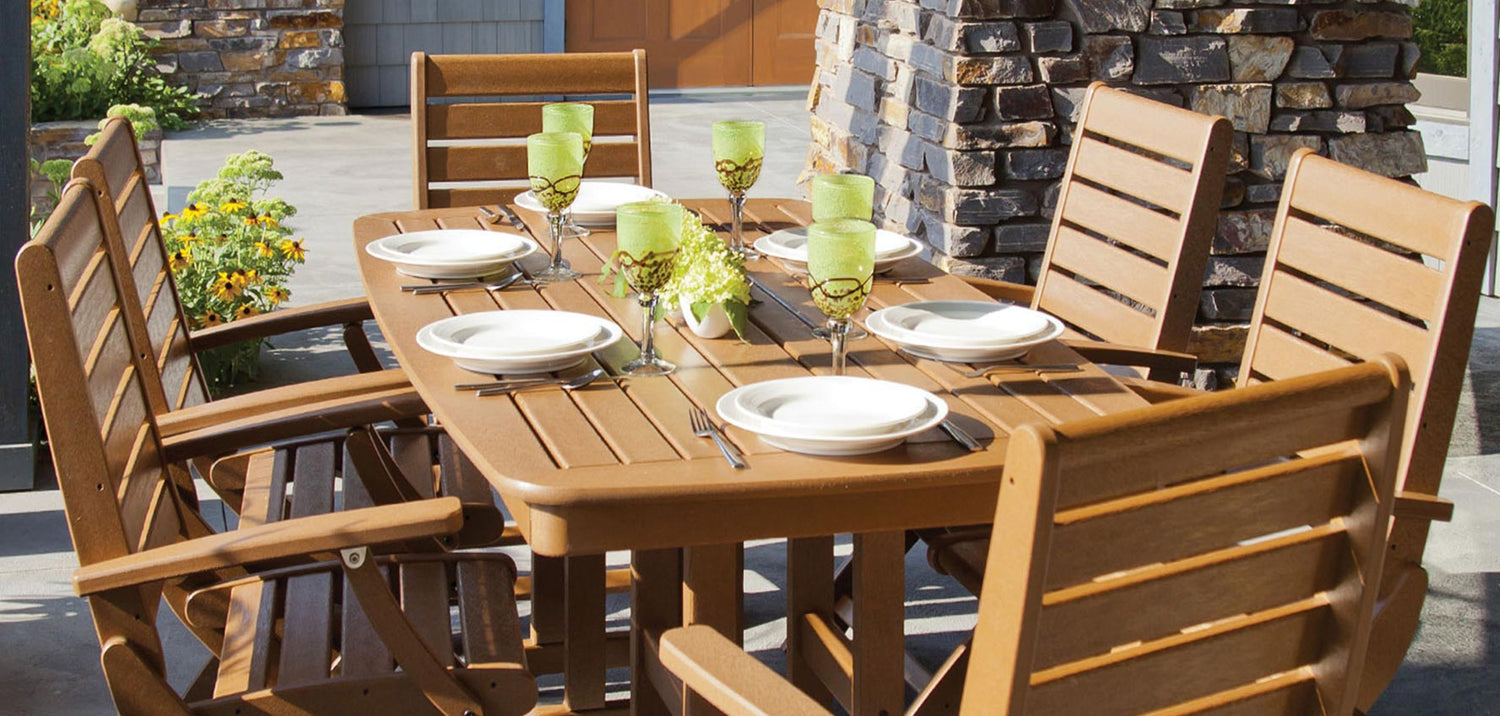
Teak wood was initially prized in boat making, but it is used in a wide variety of applications today. It’s water-resistance makes it popular for outdoor furniture, decks, and shower stools, but it gets a fair amount of use indoors for furniture, flooring, veneers, and carving too.
What Does the Grain Pattern of Teak Wood Look Like?
Teak wood has a tight straight grain, although it can occasionally have a wavy or interlocked grain too.
Is Teak a Hardwood or Softwood?
There’s often some confusion as to what the terms “hardwood” and “softwood” really mean. Hardwood comes from dicots, which are leafier trees, and include varieties such as walnut, cherry, oak, and maple. Softwood comes from gymnosperms, which are conifers, and include varieties like fir, pine, and cedar.
Technically, teak wood comes from eudicots, which have also been referred to as non-magnoliid dicots, so they’re leafy trees. That makes teak a hardwood.
Where Does Teak Wood Come From?
Teak wood comes from teak trees, also known by the scientific name tectona grandis. These trees are native to the tropics of Southeast Asia, but certain areas throughout Africa and the Caribbean have managed to cultivate it now too. Because of this, Teak carries with it a high carbon footprint and a high potential of supporting organized crime and deforestation.
Can Teak Wood Furniture Go Outside?
Teak’s natural properties ensure it has good resistance to rot and mildew, so it’s routinely used to make outdoor furniture. However, it will eventually rot if left outside and the color will shift dramatically due to the constant UV exposure.
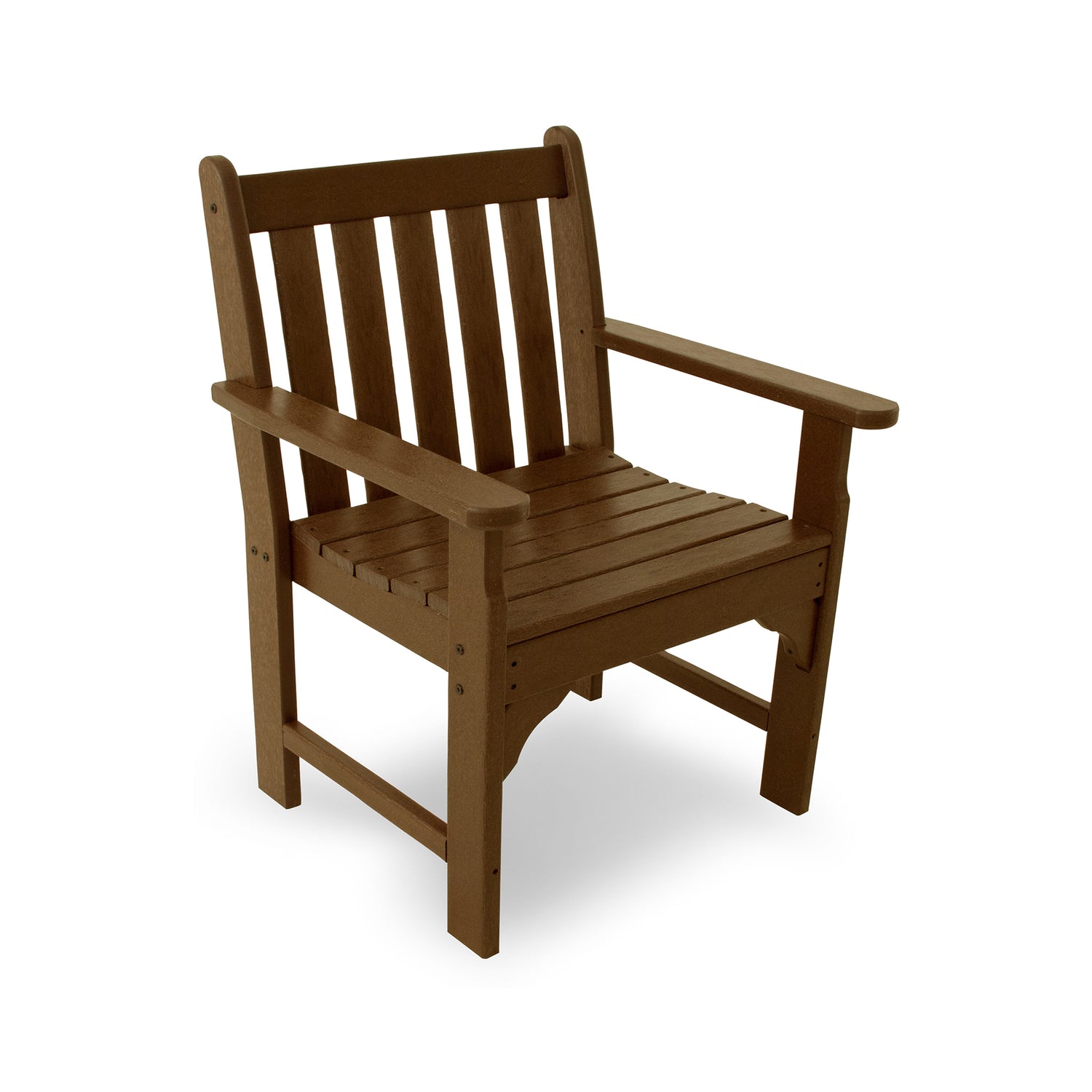
As a general rule of thumb, we don’t recommend putting any natural wood product outdoors. Our all-weather Polywood outdoor furniture is a great alternative. It looks like natural wood, but is made from recycled high-density plastic. That makes it maintenance-free and allows us to offer a lifetime guarantee on it.
Is Teak Wood Eco-Friendly? Are Teak Trees Endangered?
Generally speaking, teak wood is not sustainable. It has historically been associated with deforestation and illegal harvesting. While there are some sustainable teak plantations now, it’s very difficult to find new teak furniture that has been made from sustainably-harvested wood and even harder to guarantee that the producers who claim to be using sustainably-harvested teak really are. It’s also worth noting that it can take a teak tree a full 80 years to reach maturity and be ready for harvest, so even if new trees are planted to account for those harvested, it’s not a true replacement.
Alternatives to Teak
Because the environmental cost of using teak is high, purchasing teak alternatives is best. At Vermont Woods Studios, all our natural wood furniture is built here in the United States by talented craftsmen who use domestic hardwoods and care about quality and sustainability. It’s this dedication, paired with our quality guarantee and top-notch service, that have earned us countless five-star reviews.
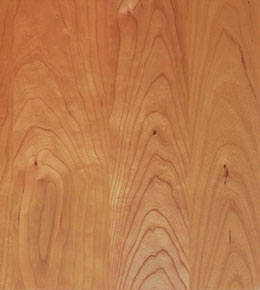
For indoor use, we think the best alternative to teak is cherry wood. For outdoor use, consider cedar, which grows domestically, or check out our polywood outdoor furniture made from recycled HDPE plastic.
Read More on the Blog
-
Hardwood Furniture Buyer's Guide, Part 1
Read MoreThis hardwood dining table, buffet and chair set is made of American black cherry wood. Mortise and tenon joints are used as well as dovetails in the drawers of the buffet.
-
5 Wood Sourcing Certifications
Read MoreSustainable wood sourcing is essential to protecting forests and conserving resources for future generations. By understanding what each designation stands for, you can make informed decisions when purchasing.
-
FSC Certified Wood: Everything You Need to Know
Read MoreSupporters of the sustainable American-made furniture movement prefer the use of domestic wood over the use of imported FSC certified wood.
-
Wood Furniture Buyer's Guide
Read MoreShopping online for high quality wood furniture requires some research. After all, fine furniture is a big investment.
-
5 Exotic Hardwoods to Avoid & Why
Read MoreWood is generally an earth friendly material because it is renewable, meaning it grows back and isn't finite like oil, metals, or even rock. But not all species of wood are inherently sustainable.
Other Types of Wood Species
-
Cherry Wood
More About Cherry -
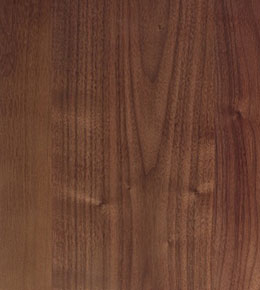
Walnut Wood
More About Walnut -
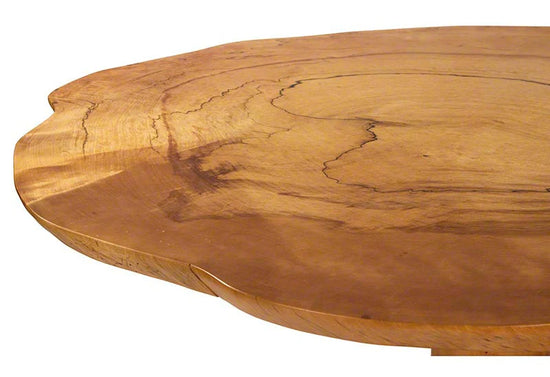
Birch Wood
More About Birch -
Maple Wood
More About Maple
