
Cedar Wood
-
-
Characteristics of Cedar Wood
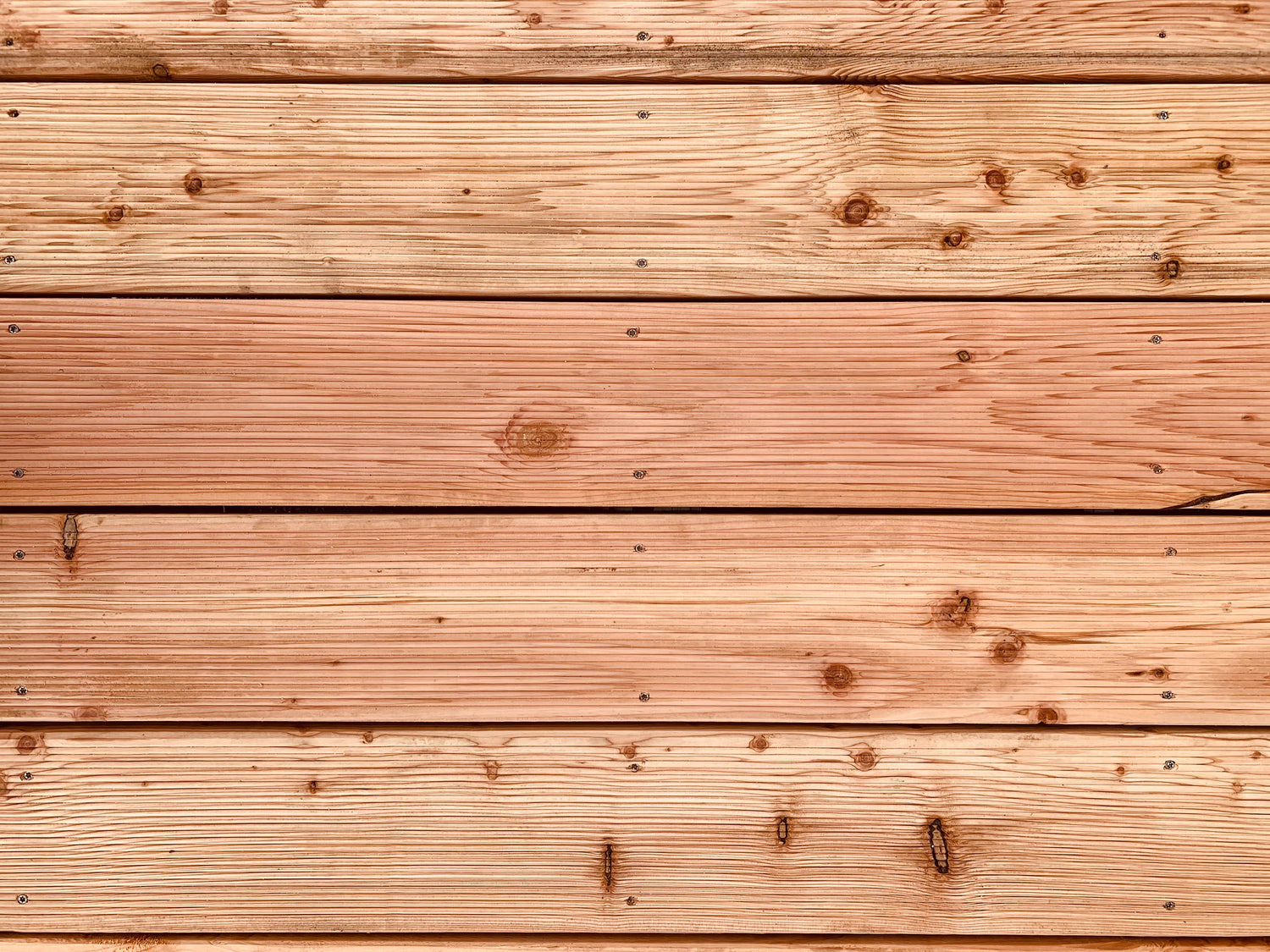
- Color: Pinkish-Red with Purple Tinges
- Source: Eastern Red CedarTree (Juniperus virginiana L.)
- Durability: 900 on the Janka scale
- Cost: $3-6 per board foot
- Common Uses: Hope chests, indoor moulding, outdoor furniture, flooring, decking, and siding
What Color is Cedar Wood?
Why Does Cedar Wood Change Colors Over Time?
All natural wood changes colors over time due to chemical reactions which occur between extractives in the wood, like oil, and the environmentchiefly oxygen and UV rays. Lighter woods will usually darken, and darker woods will lighten. Cedar is unique in that, instead of mellowing out, blending, or developing a patina, it turns silver or gray. The color shift is quite dramatic and can happen rapidly.
What are the Common Uses of Cedar Wood?
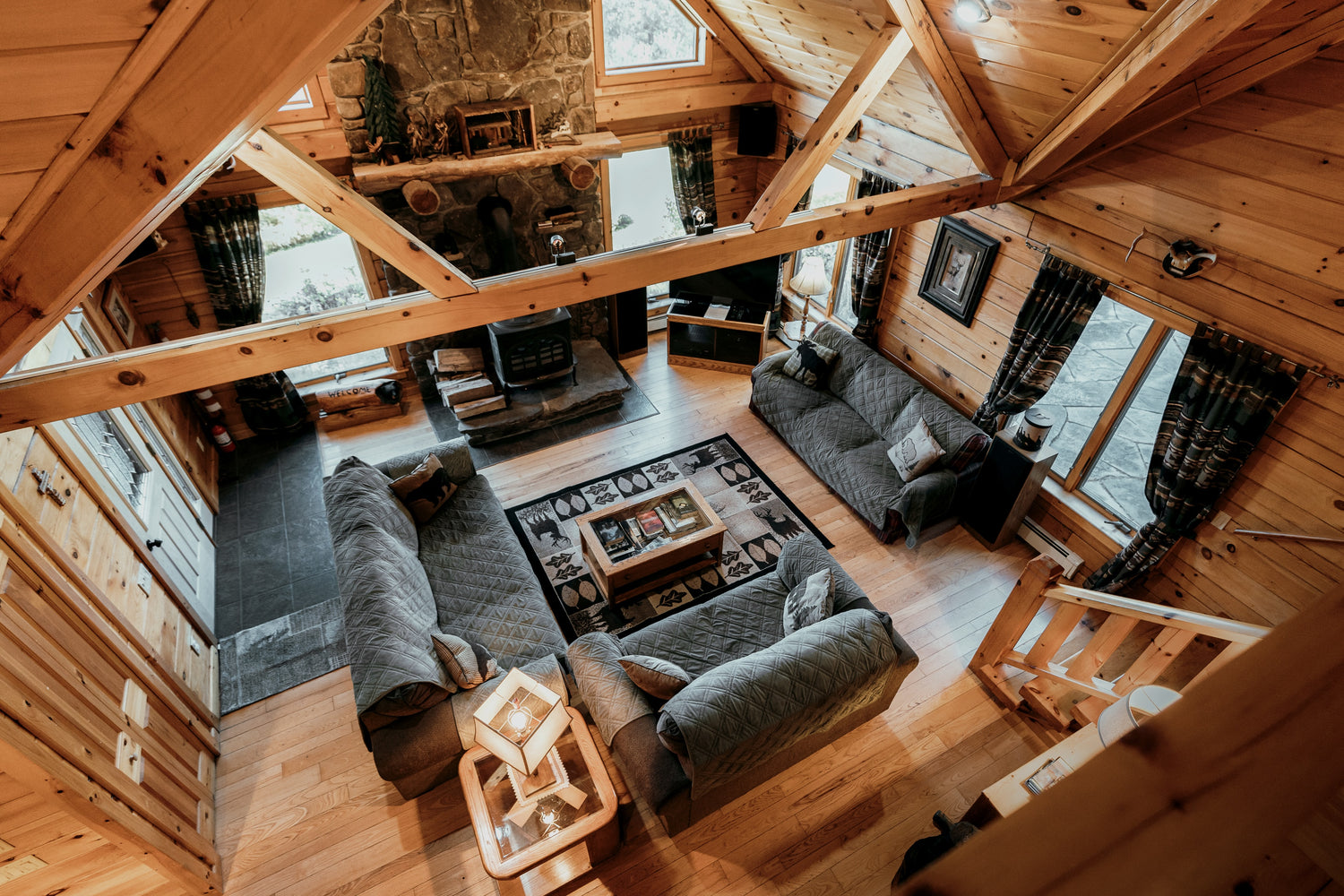
Cedar wood has many applications. It is naturally rot and insect resistant, so it is frequently used for outdoor applications, such as outdoor furniture, decking, and siding. However, cedar is also frequently used to create indoor furniture like chests and tables, as it has a unique reddish hue and gives off a welcomed scent. Some variants are used to make boats, musical instruments, and other small objects as well.
What Does the Grain Pattern of Cedar Wood Look Like?
As a gymnospere tree, Cedar lumber is often knotty and is usually straight-grained, though it can sometimes be figured too.
Is Cedar a Hardwood or Softwood?
Its a common misconception that the terms hardwood and softwood relate to the durability of wood. The phrases really denote whether the wood comes from a tree thats in the gymnosperm or dicot group.
Gymnosperms are usually trees with needles, such as fir and pine. Theyre considered softwoods. Dicots are usually leafy trees, such as cherry, walnut, oak, and maple. Theyre considered hardwoods.
Eastern and Western red cedar are gymnosperm trees, so most cedar wood is considered softwood. Spanish and yellow cedar, however, are hardwoods. With that said, Eastern red cedar, although considered a softwood, has a significantly higher janka rating than the other varities and is thus stronger and more durable.
Where Does Cedar Come From?
Different types of cedar trees grow all over the world. Red cedar, the wood most commonly found in woodworking, grows on both the East and West coast of the United States. Eastern red cedar is a significantly harder and stronger wood than the red cedar that grows on the West coast. White cedar is also found along the East coast.
There are also cedar trees in Alaska (yellow cedar) and Central and South America (Spanish cedar). We recommend against the use of these two types of cedar wood due to the environmental impacts of harvesting and transporting them. Spanish cedar exists in the dwindling forests in Central and South America and is considered vulnerable to extinction. Despite this, Spanish cedar is still commonly found and used in the US. The yellow cedar population is also declining.
Can Cedar Wood Furniture Go Outside?
Cedar is seen as the most weather-resistant domestic hardwood. It is often used for outdoor applications, but over time it will decay in the elements, just like any other wood on the planet.
Because of these factors, we recommend recycled pastic lumber (RPL) instead. Its made from recycled high-density plastic, so its maintenance-free and lasts forever. We have a line of outdoor furniture made by Polywood.
Is Cedar Wood Eco-Friendly? Are Cedar Trees Endangered?
Its difficult to measure the environmental impacts of using cedar wood. For the most part, Eastern and Western Red Cedar are both sustainably harvested and abundant in their respective growing climates, as is Eastern White Cedar. However, other types of cedar trees are less fortunate.
Spanish cedar is considered vulnerable to extinction, and the forests where it grows are under siege by organized crime. Supporting the logging of these forests, whether for Spanish cedar or some other exotic wood, is discouraged. Not only that, but the importation process results in a higher carbon footprint.
Alaskan yellow cedar is also facing declining populations, so we recommend not supporting the harvesting of these trees.
Complicating the supply chain of cedar wood, most lumber yards wont distinguish between any of the above listed varieties of cedar. Because of this, it would be easy to unknowingly purchase Spanish Cedar.
If youre going to use cedar wood, take extra care to make sure youre buying domestically harvested lumber.
Read More on the Blog
-
Hardwood Furniture Buyer's Guide, Part 1
Read MoreThis hardwood dining table, buffet and chair set is made of American black cherry wood. Mortise and tenon joints are used as well as dovetails in the drawers of the buffet.
-
5 Wood Sourcing Certifications
Read MoreSustainable wood sourcing is essential to protecting forests and conserving resources for future generations. By understanding what each designation stands for, you can make informed decisions when purchasing.
-
FSC Certified Wood: Everything You Need to Know
Read MoreSupporters of the sustainable American-made furniture movement prefer the use of domestic wood over the use of imported FSC certified wood.
-
Wood Furniture Buyer's Guide
Read MoreShopping online for high quality wood furniture requires some research. After all, fine furniture is a big investment.
-
5 Exotic Hardwoods to Avoid & Why
Read MoreWood is generally an earth friendly material because it is renewable, meaning it grows back and isn't finite like oil, metals, or even rock. But not all species of wood are inherently sustainable.
Other Types of Wood Species
-
Cherry Wood
More About Cherry -
Walnut Wood
More About Walnut -
Birch Wood
More About Birch -
Maple Wood
More About Maple
